A bathroom demo starts small, then suddenly you have broken tile by the door, drywall dust in the hall, and a pile of lumber too heavy for the weekly trash cart. That is usually the moment construction debris removal goes from “we can handle it” to “we need this gone today.”
For homeowners, landlords, and contractors, cleanup is rarely the part anyone plans around. But it affects everything. A messy site slows work, creates safety hazards, and makes it harder to see what still needs to be done. If you are turning over a rental, finishing a remodel, or clearing out after repair work, getting debris off the property fast is not just about appearance. It keeps the job moving.
Why construction debris removal matters more than people expect
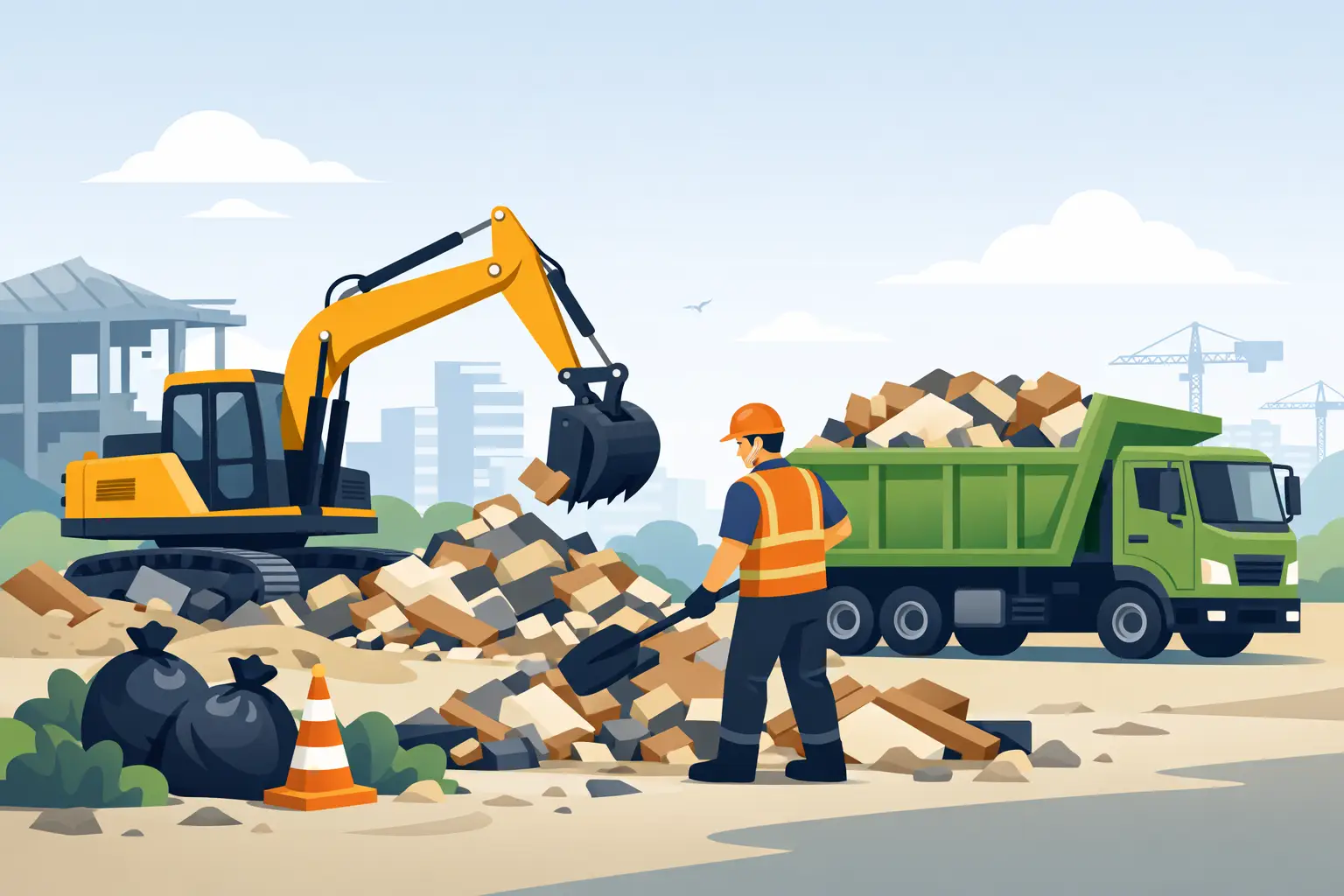
Most debris piles are a mix of heavy, awkward, and dirty materials. Drywall, concrete chunks, tile, wood scraps, cabinetry, roofing material, and old fixtures take up space quickly. Even a small renovation can create more waste than most pickups, SUVs, or utility trailers are built to haul safely.
There is also the issue of time. If you are a homeowner trying to finish a project over the weekend, multiple dump runs can eat the entire day. If you manage rentals or commercial property, delays in cleanup can hold up repairs, inspections, and new occupants. For contractors, cluttered work areas make crews less efficient and increase the chance of trips, punctures, and damaged materials.
The job is not always as simple as loading everything and driving off. Some materials can be disposed of normally, while others require more careful handling or cannot be mixed with standard junk. That is where professional hauling helps. A good crew knows how to load fast, sort what needs special disposal, and leave the area cleaner than they found it.
What counts as construction debris removal
Construction debris removal covers waste created during building, demolition, renovation, repair, and property improvement work. That can include obvious materials like broken concrete and drywall, but also a lot of job-site leftovers people forget to plan for.
Common examples include lumber, plywood, siding, insulation, tile, carpet, padding, doors, windows, cabinets, fencing, shelving, toilets, sinks, vanities, and torn-out flooring. It can also include packaging from new materials, pallets, and general site trash that builds up during a project.
Some jobs are clean and straightforward. Others are mixed loads from a remodel, eviction cleanup, or damaged property where debris is combined with old furniture, appliances, and other bulk items. That is where full-service hauling is especially useful because the work is not limited to one material type.
The materials that change the job
Not all debris is equal. A pile of cardboard and trim scraps is one thing. A load of brick, dirt, plaster, and concrete is another. Weight changes the labor, the equipment needed, and the disposal plan.
Sharp materials matter too. Nails, shattered glass, metal fragments, and broken tile can turn a simple cleanup into a safety issue fast. If debris is spread across a yard, driveway, or interior space, it takes more time than a single curbside pickup. That is why pricing and timing can depend on volume, access, and material type, not just whether a pile looks big.
When to hire out construction debris removal
If the debris is light, bagged, and easy to transport, some people prefer to handle it themselves. That can make sense for very small projects, especially if you already have a trailer and know where the material can be dumped. But many jobs cross the line quickly.
You should seriously consider professional construction debris removal when the load is too heavy for your vehicle, the material is spread across the property, the project timeline is tight, or you simply do not want the risk of lifting and hauling it yourself. The same goes for rental turnovers, foreclosure cleanouts, post-repair cleanup, and contractor jobs where labor should stay focused on the build instead of making dump runs.
There is also a cost trade-off people miss. Doing it yourself may look cheaper at first, but by the time you factor in truck use, trailer rental, fuel, disposal fees, labor time, and the hassle of multiple trips, the savings can disappear. If same-day removal keeps your project moving, that has real value.
What a good debris removal service should actually provide
Fast hauling is part of the job, but it should not be the only thing you get. A reliable service should show up on time, give clear pricing, load the debris safely, and clean up the area once the material is removed. If a company is licensed and insured, that matters too, especially on active job sites and rental properties.
Communication is another big one. You do not want vague arrival windows or pricing that changes once the crew is on site. A straightforward quote and a clear explanation of what will be hauled saves time and avoids surprises.
For Bakersfield property owners and contractors, local service matters because response time matters. If you need debris gone before the next crew arrives or before a unit is shown to a tenant, waiting several days is not very useful. That is one reason local operators like Rojas Junk Removal are often the better fit for urgent jobs. The service is practical, direct, and built around getting the mess out of your way.
Dump trailer rental vs. full-service construction debris removal
This depends on how hands-on you want to be.
If you have your own labor and want flexibility over a couple of days, a dump trailer rental can be the smart move. It lets you load at your pace while keeping disposal logistics under control. This works well for DIY remodels, landscaping overhauls, and smaller contractor jobs where the crew can handle loading.
Full-service construction debris removal is the better option when speed matters or the material is difficult to handle. If the debris is inside the house, in the backyard, upstairs, or scattered across a property, having a crew do the lifting saves a lot of time and strain. It is also the better fit when you do not want to risk overloading a trailer, damaging a vehicle, or spending half the day at disposal sites.
Neither option is always better. It depends on budget, labor, access, and how fast the site needs to be cleared.
How to prepare for a debris pickup
You do not need to overthink it, but a little prep helps the job move faster. If possible, separate construction debris from items you want to keep. Make sure access points are clear, especially driveways, gates, and interior walkways. If there are special materials involved, mention that when requesting a quote so the crew can plan properly.
If you are managing a larger project, it also helps to estimate whether you need one pickup or multiple hauls. Some jobs create debris in phases. Demo waste comes first, then packaging, then leftover materials at the end. Scheduling around those stages can keep the property cleaner the whole way through.
What not to do
Do not let debris sit longer than necessary, especially if it includes nails, glass, unstable stacks, or materials exposed to wind and weather. Loose debris spreads fast, and what starts as one contained pile can turn into cleanup across the whole property.
It is also a bad idea to assume everything can go in regular trash service. Weight limits, item restrictions, and city rules can stop a DIY disposal plan fast. If you are unsure, ask before the pile gets bigger.
Choosing the right construction debris removal company
Look for a company that keeps the process simple. You want clear scheduling, upfront pricing, and a crew that knows how to handle heavy material safely. Reviews and local reputation matter, but so does whether the company can actually respond when you need them.
The best fit is usually not the company with the flashiest pitch. It is the one that answers the phone, shows up when promised, works efficiently, and hauls the debris without leaving a bigger mess behind. For most customers, that is what dependable service really means.
Construction cleanup is one of those jobs that gets harder the longer it waits. If the debris is already in the way, the best next step is simple – get it off the property and keep the project moving.
2 thoughts on “Construction Debris Removal Done Right”