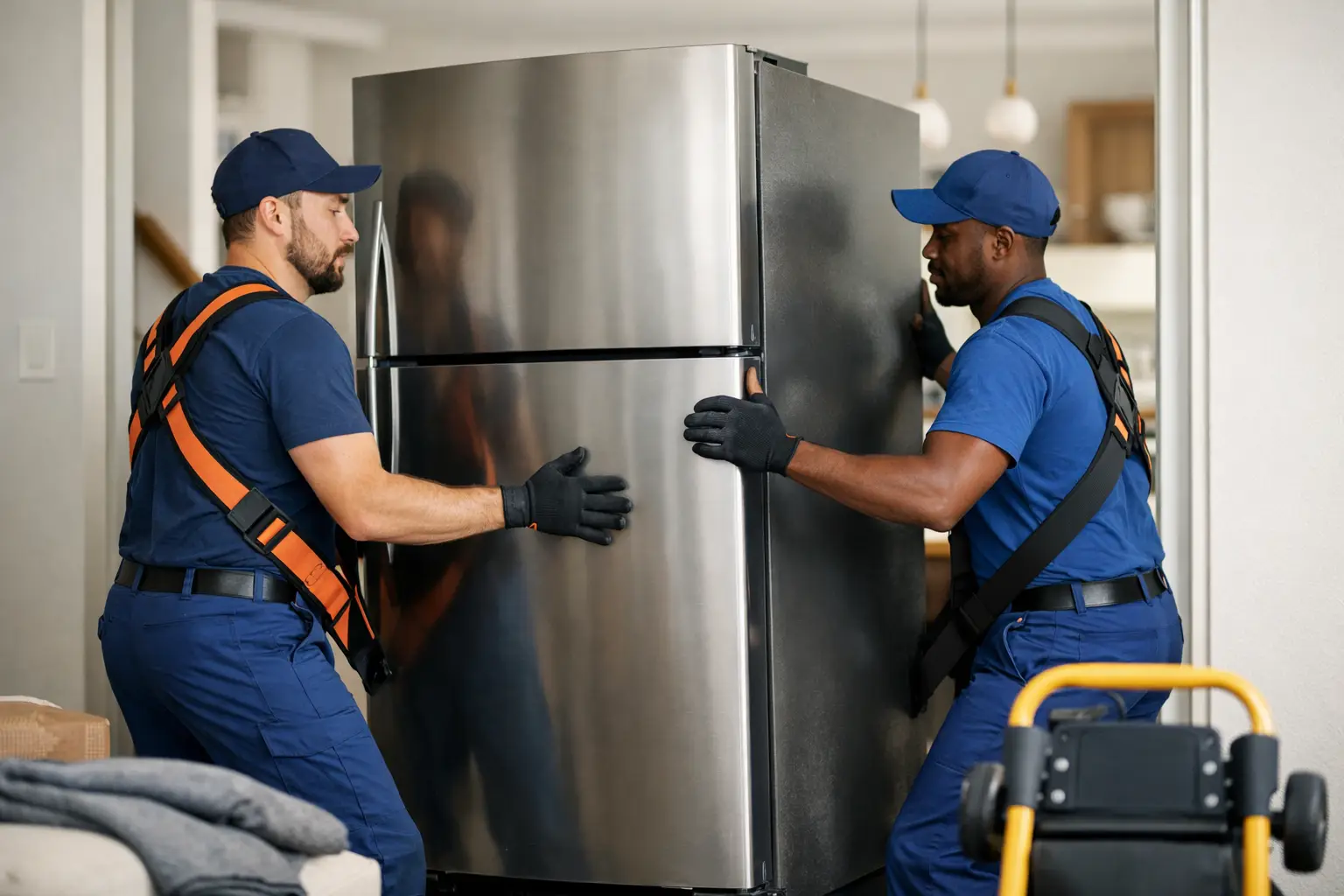
That old refrigerator in the garage can look manageable until it is time to get it through a doorway, down a step, and into a truck. Washers, dryers, stoves, dishwashers, and freezers are heavy, awkward, and easy to damage your home with. Knowing how to remove bulky appliances safely can save you from a strained back, scratched floors, broken tile, or a disposal problem at the end of the job.
For many Bakersfield homeowners, landlords, and property managers, appliance removal comes up during a move, renovation, rental turnover, or cleanout. The job is not just about muscle. It takes preparation, the right equipment, enough help, and a plan for responsible disposal.
Start by Identifying What You Are Moving
Not every bulky appliance should be handled the same way. A standard electric dryer may be relatively straightforward with a hand truck and two capable adults. A refrigerator, gas range, or built-in dishwasher can involve utility connections, refrigerants, water lines, or tight installation spaces.
Before moving anything, confirm whether the appliance is electric, gas-powered, plumbed in, or built into cabinetry. Take a quick look at the route from its current location to the truck or curb. Measure doorways, hallways, gates, stair landings, and the appliance itself. A few minutes of measuring can prevent getting stuck halfway through the job with a refrigerator that will not clear the door.
If the appliance is still working and you are replacing it, ask the retailer whether they offer haul-away service with delivery. That can be the simplest choice. If not, decide early whether you will recycle it, donate it, use a local pickup program, rent a trailer, or hire a full-service hauling crew.
Disconnect Appliances Safely Before Removal
The safest appliance move starts with a complete disconnection. Never pull an appliance away from the wall while it is still connected to power, gas, water, or a drain line.
Refrigerators and Freezers
Unplug the unit and empty all food, shelves, trays, and loose parts. If it has an ice maker or water dispenser, shut off the water supply and disconnect the line carefully. Defrost it completely and dry the interior to avoid leaking water during transport.
Refrigerators and freezers require special disposal because they may contain refrigerants, oils, and other components that should not go into regular trash. Do not assume you can leave one at the curb. Disposal rules vary, and many facilities require appliances containing refrigerant to be processed properly.
Keep refrigerator doors secured shut while moving, then follow the disposal provider’s instructions. For safety, never leave a disconnected refrigerator where children could climb inside.
Washers, Dryers, and Dishwashers
For a washing machine or dishwasher, turn off the water supply first. Disconnect hoses slowly with towels and a bucket ready for leftover water. Drain hoses can hold more water than expected, especially on an appliance that has been sitting unused.
Unplug electric dryers. If you have a gas dryer, gas range, or another gas appliance, do not guess at the disconnection. Shut off the supply only if you know how to do so safely, and have a qualified professional disconnect and cap the gas line when needed. A gas leak is not a DIY risk worth taking.
Ovens and Ranges
Electric ranges are heavy and can scratch flooring fast. Unplug the unit, remove racks and loose pieces, and secure the oven door. Gas ranges need the same caution as gas dryers. Once the gas is professionally disconnected, check that the line is properly capped before moving the appliance.
Built-in wall ovens, cooktops, and dishwashers may be attached to cabinets or hardwired. These jobs often call for an electrician, plumber, or appliance technician before removal begins.
Use the Right Equipment, Not Just Extra Strength
Trying to carry a bulky appliance by hand is where many injuries happen. Appliances have uneven weight distribution, sharp metal edges, and few good handholds. A furniture dolly or appliance hand truck with straps is the right starting point for most removals.
Wear closed-toe shoes with good traction and work gloves. Use furniture pads, cardboard, or moving blankets to protect floors, walls, and door frames. If you are moving across tile, hardwood, or a finished entryway, protect the route before the appliance starts moving.
A standard two-wheel appliance dolly works well for refrigerators, stoves, washers, and dryers. Tilt the appliance only as much as necessary, strap it tightly to the dolly, and keep the load balanced. One person guides from below while another steadies from above when navigating steps. Never put someone directly below a heavy appliance on stairs.
For especially heavy units, tight staircases, or narrow turns, professional removal is usually the better call. What looks like a short move can become risky fast when there is no room to reposition the load.
Plan the Path Before You Lift
Clear the entire exit route before moving the appliance. Pick up rugs, cords, boxes, toys, and anything else that could catch a wheel or cause a slip. Open doors fully and secure pets away from the work area.
If you need to remove a door from its hinges to create enough clearance, do that before the appliance is on the dolly. It is also smart to protect corners and door frames with padding. The cost of a hauling service can be far less than repairing a damaged wall, door, or floor.
When loading an appliance into a pickup or trailer, use a ramp rated for the weight of the appliance and the people handling it. Secure the load with ratchet straps so it cannot shift in transit. Do not rely on bungee cords for a refrigerator, washer, or range.
One exception is a refrigerator or freezer that has been transported on its side. It may need to stand upright for several hours before being plugged in again. Check the manufacturer’s guidance for that appliance rather than rushing to restart it.
Choose the Right Disposal Option
Once you know how to get the appliance out, you still need a legal and practical place for it to go. Leaving bulky appliances by an alley, dumpster, or roadside can lead to fines, blocked access, and unsafe conditions.
If an appliance works well and is clean, a local charity, reuse organization, or buyer may take it. Donation is not always available for older units, damaged appliances, or refrigerators with known issues, so call ahead before loading it up.
Recycling is often the best option for appliances that no longer work. Metal, wiring, and some components can be recovered, while refrigerants and hazardous materials need proper handling. Local transfer stations and recycling programs may accept certain appliances, but they can have fees, preparation requirements, or limited drop-off hours.
For landlords, contractors, and property managers dealing with multiple appliances alongside furniture, trash, debris, or tenant leftovers, a full-service junk removal crew is often more efficient than making several disposal runs. The crew handles the lifting, loading, hauling, and responsible disposal so your property can move on to the next step.
When It Makes Sense to Call for Appliance Removal
DIY appliance removal can work when you have the right tools, a clear path, a safe vehicle, and a disposal site already arranged. It makes less sense when the appliance is on a second floor, connected to gas or plumbing, too heavy for your crew, or part of a larger cleanup.
Same-day help can be especially useful after a tenant move-out, a failed appliance replacement, an estate cleanout, or a renovation deadline. Rojas Junk Removal provides hands-on appliance hauling in Bakersfield and nearby areas, with upfront pricing and the labor included. That means no borrowed truck, no wrestling a freezer down the stairs, and no uncertainty about where it will end up.
Clear the Space Without Creating a Bigger Problem
Bulky appliance removal is one of those jobs that can go smoothly with the right preparation or turn into a long, expensive day when a connection, doorway, or disposal rule gets overlooked. Take the time to disconnect safely, protect your route, and be honest about what the job requires. If the load is too heavy, the path is too tight, or the deadline is too close, getting reliable hauling help is a practical way to clear the space and keep the rest of your day moving.