A hot tub can be a great backyard feature until it stops heating, starts leaking, or sits empty for years taking up valuable space. If you are asking who removes hot tubs, the short answer is a professional junk removal company that handles bulky items and property cleanouts. The right crew can do the heavy lifting, break down the unit when needed, haul away the pieces, and leave the area cleaner than they found it.
For most homeowners, landlords, and property managers, this is not a curbside pickup job. Hot tubs are heavy, awkward, and often connected to plumbing and electrical systems. Removing one safely takes planning, the right equipment, and a way to transport and dispose of the materials properly.
Who Removes Hot Tubs Safely?
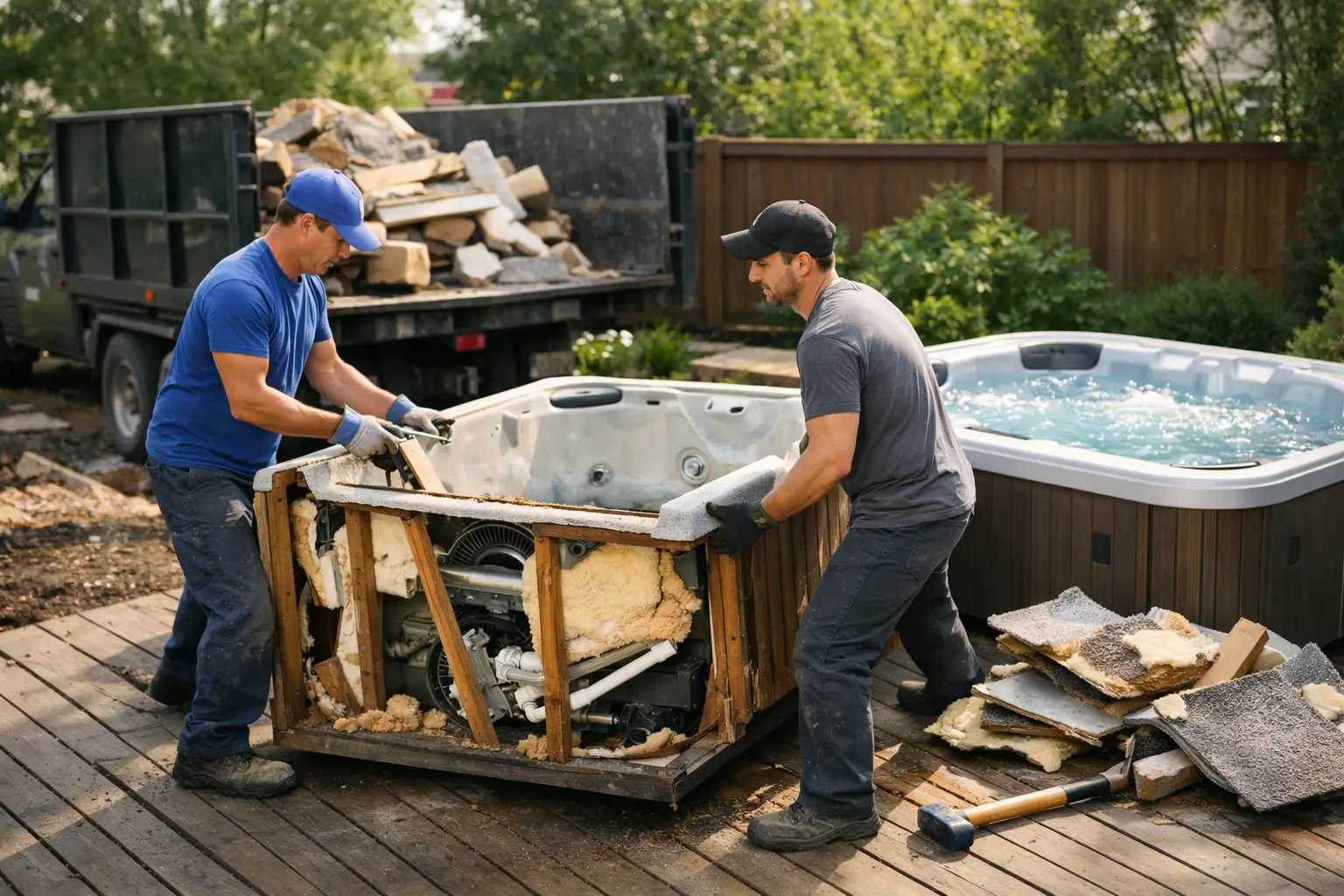
Full-service junk removal companies are usually the most practical choice for hot tub removal. They are set up to move oversized items that cannot fit in a pickup truck or be handled by one or two people. Depending on the hot tub’s condition and access to the yard, the crew may remove it in one piece or cut it down into manageable sections.
A qualified removal team handles the physical work: lifting, loading, hauling, and cleanup. This is especially useful when the unit is on a patio, behind a gate, sunk into a deck, or located in a tight side yard. A hot tub that looked easy to install years ago can become a real challenge when it is time to get it out.
Some hot tub dealers or installers may offer removal when they are delivering a replacement unit. That can be convenient, but it is not always included, and their service may be limited to accessible, disconnected tubs. If you are not replacing the spa, a local junk hauling company is often the more direct option.
Why Hot Tub Removal Is More Than Heavy Lifting
An empty hot tub can weigh anywhere from a few hundred pounds to well over 1,000 pounds. Older models may have a heavy wood frame, thick acrylic shell, metal supports, pumps, hoses, insulation, and a large cover. Waterlogged insulation or damaged framing can add even more weight.
Before removal starts, the tub needs to be fully drained. It also needs to be disconnected from power. If it is hardwired, do not cut electrical wiring or disconnect it yourself unless you are qualified to do that work. An electrician can safely handle a hardwired connection when needed. Gas-powered heaters, built-in plumbing, and deck structures may also require separate professional attention.
Once it is disconnected, access becomes the deciding factor. A freestanding hot tub next to a driveway is much easier to remove than one enclosed by fencing, landscaping, or a custom deck. In difficult situations, the removal crew may need to dismantle the shell, frame, and equipment on site before carrying the material out.
What Happens to an Old Hot Tub?
Old hot tubs are made from several different materials, and not every part can be recycled. The shell may be acrylic or fiberglass, while the base can include plastic, wood, foam, and metal. Pumps, motors, wiring, and controls may need to be separated from general debris.
A responsible junk removal company will sort materials whenever practical and take the remaining debris to an appropriate disposal facility. This matters because leaving a dismantled hot tub at the curb, dumping it on vacant land, or trying to burn parts of it creates bigger problems than the original removal job.
If the hot tub is still in working condition, donation or resale might seem like a good option. It depends on its age, condition, and whether someone is willing to pay for moving and installation. In reality, most unwanted hot tubs are removed because repairs cost more than the unit is worth. A quick, honest assessment can prevent weeks of trying to give away an item nobody can transport.
What Affects the Cost of Hot Tub Removal?
Hot tub removal pricing is not one-size-fits-all. A company will generally consider the size of the unit, how much dismantling is required, where it is located, and how easily the crew can get it to the truck. Disposal fees and the amount of material also affect the final price.
A small, drained, disconnected hot tub with clear driveway access is usually the simplest job. A large spa built into a deck, surrounded by concrete, or placed at the back of a narrow property will take more labor. If fences, deck boards, or landscaping need to be removed to create access, that is separate work and should be discussed before the job begins.
Ask for upfront pricing based on clear details and photos when possible. Let the company know whether the tub is drained, whether power has been disconnected, and whether there are stairs, gates, slopes, or tight turns. Good information helps the crew arrive prepared and helps you avoid surprises.
Should You Remove a Hot Tub Yourself?
DIY removal can make sense if you have a small tub, open access, enough capable help, the proper tools, and a legal way to dispose of the material. It is not simply a matter of renting a trailer and pulling the tub apart. Acrylic and fiberglass shells can create sharp edges when cut, and a badly planned lift can cause injuries or damage gates, walls, and patios.
The DIY route also requires time. You may need to drain the tub, arrange electrical disconnection, remove panels, cut the shell, load debris, make multiple disposal trips, and clean up insulation and broken materials afterward. If you are already managing a move, rental turnover, renovation, or estate cleanout, that time adds up fast.
Dump trailer rental can be a useful middle ground for customers who want to handle some of the work themselves but need dependable hauling capacity. Still, for a full hot tub removal, professional labor is often the safer choice because the hardest part is getting the bulky unit out without damage or injury.
How to Prepare Before the Removal Crew Arrives
A little preparation keeps the job moving. First, drain the hot tub completely and make sure there is no standing water inside. Remove personal items, loose accessories, steps, and anything stored underneath the unit. Keep pets and children away from the work area.
Next, clear a path from the hot tub to the nearest access point. Move patio furniture, planters, hoses, and other obstacles that could slow down the crew. If there is a gate, measure its width before scheduling. Photos of the hot tub, the pathway, gates, stairs, and deck setup are helpful when requesting a quote.
Finally, confirm that power is disconnected. If the tub has been unused for a long time, mention visible damage, broken glass, pest activity, or a collapsed cover. These details are not a reason to delay calling. They simply help the removal team plan the safest approach.
Hot Tub Removal for Rentals and Property Cleanouts
For landlords and property managers, an abandoned hot tub can hold up a turnover, inspection, or sale. It also creates a liability concern if the cover is damaged, the unit contains standing water, or children can access the area. Fast removal clears the space so repairs, landscaping, or new tenant preparations can move forward.
The same applies to inherited properties and foreclosure cleanouts. Large backyard items are easy to overlook until the final cleanup deadline is close. Adding the hot tub to a larger junk removal load can be more efficient than arranging separate disposal for furniture, appliances, yard debris, and the spa itself.
Rojas Junk Removal helps Bakersfield-area customers remove unwanted hot tubs along with the other bulky items that often come with a property cleanup. The goal is simple: show up ready to work, provide clear pricing, and get the space cleared without leaving the hard part behind.
An old hot tub does not need to become a long-term backyard project. Once it is drained, disconnected, and assessed for access, a professional removal crew can turn that unused corner of the property into usable space again.